Mastering AI: Key Skills for Students and Their Future Careers
Empowering students to thrive in an AI-driven world
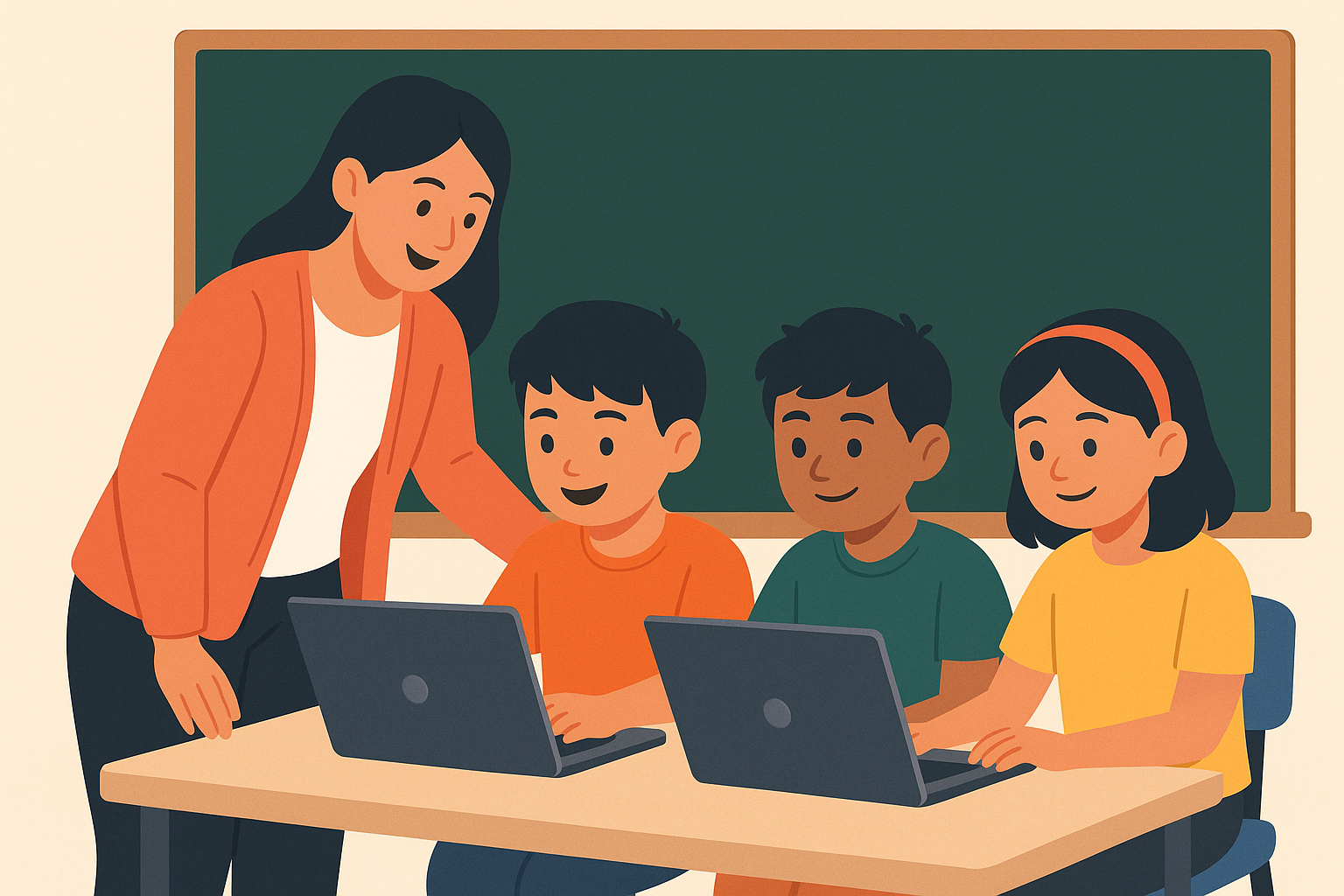
It is a common sight these days: children sitting at the kitchen table, furrowing their brows over homework, but this time, instead of reaching for a calculator, they're curious about how to write the perfect prompt for ChatGPT or draft their first set of instructions for an image generator. For parents, this can feel like a step into the unknown world of generative AI. You might find yourself wondering: what sort of future are our kids walking into, and how do we ensure they're not just consuming technology, but also learning to steer it?
Singapore's educational landscape is evolving with an increasing emphasis on AI literacy, student development, and adaptability, as is the global job market. Whether your child dreams of designing the next blockbuster game, running a plant start-up, or just thriving in tomorrow's workplaces, building AI skills for students and embracing personalized learning will make a difference. Let's take a closer look at five essential abilities every young learner can start practicing today — and how early practice with the right tools, like Ottodot, can give them a boost.
Why Start Early with AI?
Children are naturally inventive. Expose them to AI in practical ways, and they begin to connect the dots between creativity, logic, and problem-solving. Early AI literacy nurtures resilience and confidence: kids learn not to fear advanced technology, but to use it. This mindset will shape their approach not just to schoolwork, but to future careers and relationships with emerging tech.
Artificial intelligence isn't a mysterious black box; it's a realm of endless innovation. It's a set of tools — like the wheels of a child's tricycle (and LEGOs or video games!). If your school is AI-savvy, the basics are the most intuitive to become players in tomorrow's economy. By the time they're ready for more advanced projects in secondary school or polytechnic, those foundational skills will set them apart.
Five Practical AI Skills for the Future
Every parent wants to equip their child with skills that last. Here's a focused list of five powerful, practical AI skills for learners in upper primary and early secondary levels.
1. Prompt Writing That Gets Results
Talking to an AI starts with writing good instructions, or "prompts." The difference between "Write a story" and "write a funny story about a robot cat who loves ramen" is huge! Students who learn how to guide AI to do what they want are developing both creative and communication skills.
Tips for Practice:
- Start simple: "Summarise this Science paragraph for me".
- Experiment with details: "Explain how the water cycle works, using food as examples."
- Reflect: Did the answer make sense? Can the question be clearer?
Excellent prompting is part art, part logic, and it lays the groundwork for future problem-solving.
2. Generating and Polishing Original Ideas
Idea generation is no longer about waiting for inspiration to strike. With the help of tools like Claude (by Anthropic) or ChatGPT, your child can brainstorm 20 story hooks or project ideas in seconds.
But AI is only as creative as the person using it. Kids quickly learn that what stands out isn't the first idea; it's the one developed through revision and play, like drafts they learn to sift through options, combine ideas, and polish the best ones. Such practice blends creative thinking with practical results.
Ways to Encourage:
- "What themes could my art project have? Let's ask, then shortlist the three most interesting."
- "How can I improve my first draft? Let's get alternative introductions."
3. Structuring Logic and Arguments
Using artificial intelligence as a thought partner sharpens logical thinking. When your child tries to get a chatbot to answer a tough math or science question, they learn to lay out clear steps or fill in missing information. This improves their ability to reason systematically — a skill prized in every academic subject and career.
For example, teaching a chatbot to solve a multi-steps maths problem means thinking ahead: What comes first? What's the missing data? How should each step be explained? This approach mirrors professional learning, where tailoring the steps to the individual enhances understanding and retention. Kids who build this structured mindset aren't just better at maths—they're better at any logical challenge.
Simple Practices:
- "Can you break down a maths problem into steps so an AI can solve it?"
- "Ask the AI to check your argument and suggest improvements."
4. Fluency with AI Tools (and Knowing When to Use Them)
The AI ecosystem is growing fast. ChatGPT, Claude, Google Gemini, and visual tools like Midjourney or V0 each have unique strengths. Kids who engage in a lifecycle view of AI skills for students by seeing the benefits of exploring these tools, including generative AI models, pick up confidence — not just in using one platform, but in fostering innovation, enhancing student development, and developing adaptability as new tools arrive.
Building this fluency means understanding:
- What a tool is good for (e.g., Claude and ChatGPT for logical reasoning, V0 for rapid prototyping)
- Privacy and safe use (what not to share, how to keep conversations age-appropriate)
- Knowing when to keep personal data private
5. Responsible and Safe AI Use
The last skill isn't easy, but everything together: responsibility. It goes beyond just knowing how to use a chatbot or image generator; it involves understanding artificial intelligence and its broader implications. It's about:
- Recognising fact from opinion
- Not copying everything AI says
- Knowing how to keep personal data private
Kids need plenty of space to experiment, but boundaries matter just as much. When they know the rules, they're freer to be creative with innovation — and less likely to run into trouble later on.
Common Guidelines:
- Don't enter real names, photos, or personal details
- Check facts (AI makes mistakes too)
- Ask a parent or teacher if unsure
How Ottodot Makes AI Kid-Safe and Fun
Learning alongside friends and trusted mentors can be motivating. That's why platforms like Ottodot have taken extra care to build child-safe, age-appropriate experiences. Ottodot's Labs, in particular, are designed exactly for this group: nine to fifteen year olds who want to experiment and create, but whose parents care about digital safety.
A few highlights:
- Developing Critical Thinking Through AI: Younger users get guided tasks, teens explore more open-ended projects.
- Unlocking Creativity with Artificial Intelligence Tools: Kids use AI to build, write, prototype, or solve challenges, always with a hands-on, inquiry-led approach.
- Building a Foundation in Logical Reasoning: Students learn analyses information, build arguments, make sound judgments, and approach new challenges with a structured mindset.
Looking Ahead
AI isn't just for computer scientists or tech-hobbyists; its adaptability makes it relevant for a wide range of applications and fields, emphasizing the importance of developing AI skills for students. For today's young learners, these skills are as relevant as learning how to write an essay or balance a science equation. Twenty years from now, the students equipped with prompt writing, idea generation, structured reasoning, tool fluency, AI literacy, student development, and a deep sense of responsibility will be ready to lead in any field.
The best way to prepare? Begin with small, playful steps. Let curiosity lead, mistakes and all. Parents who guide their children to try, experiment, and reflect on AI tools are giving them far more than access to the latest technology — they're fostering a spirit of confidence and lifelong learning.
Curious to see these skills in action? Visit Ottodot Labs and find out how you and your child can get started together.